Viega

A complex Tool Management System, improving usability, clarity, and operational efficiency across tools, teams, and assets.

Services

—UX/UI Design

—Dashboard Systems

—SaaS Structuring

[background image] image of innovation in construction materials

Transforming Tool Management into a Scalable Digital Experience

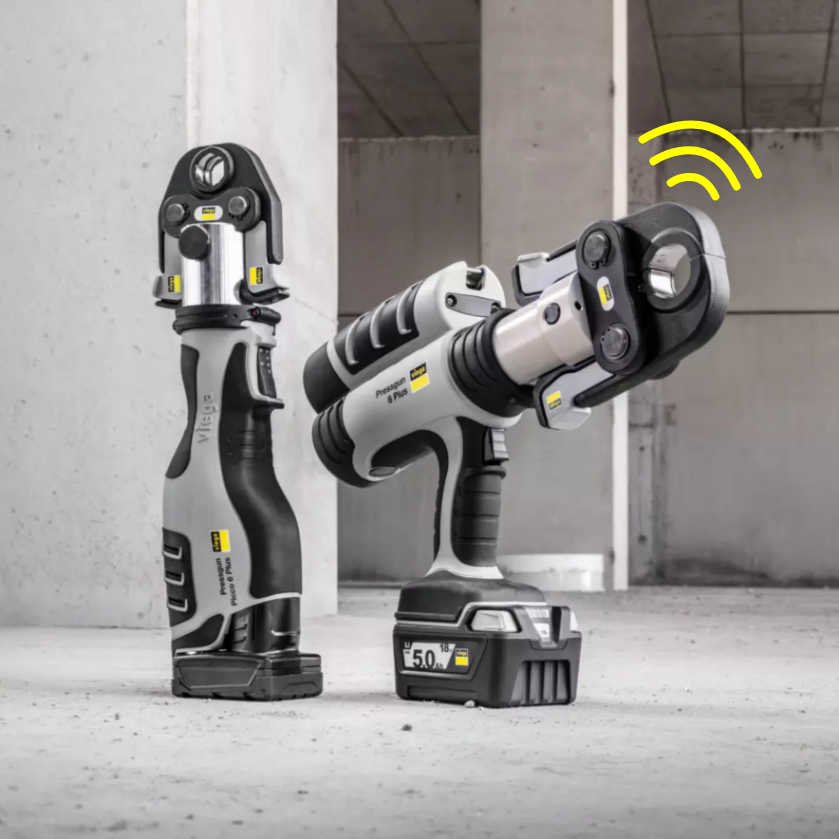
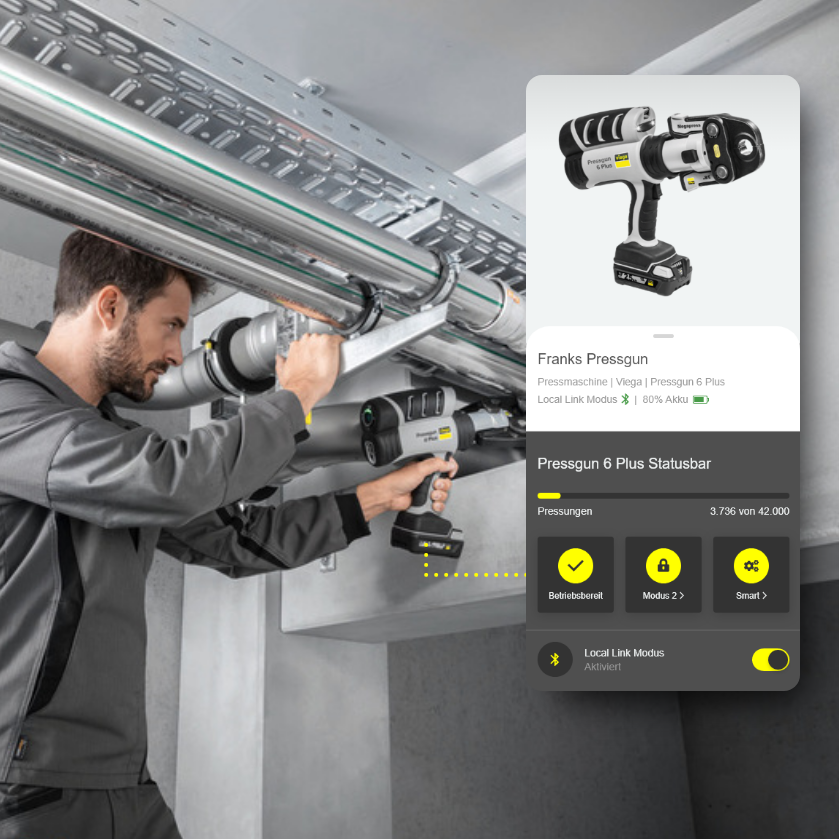
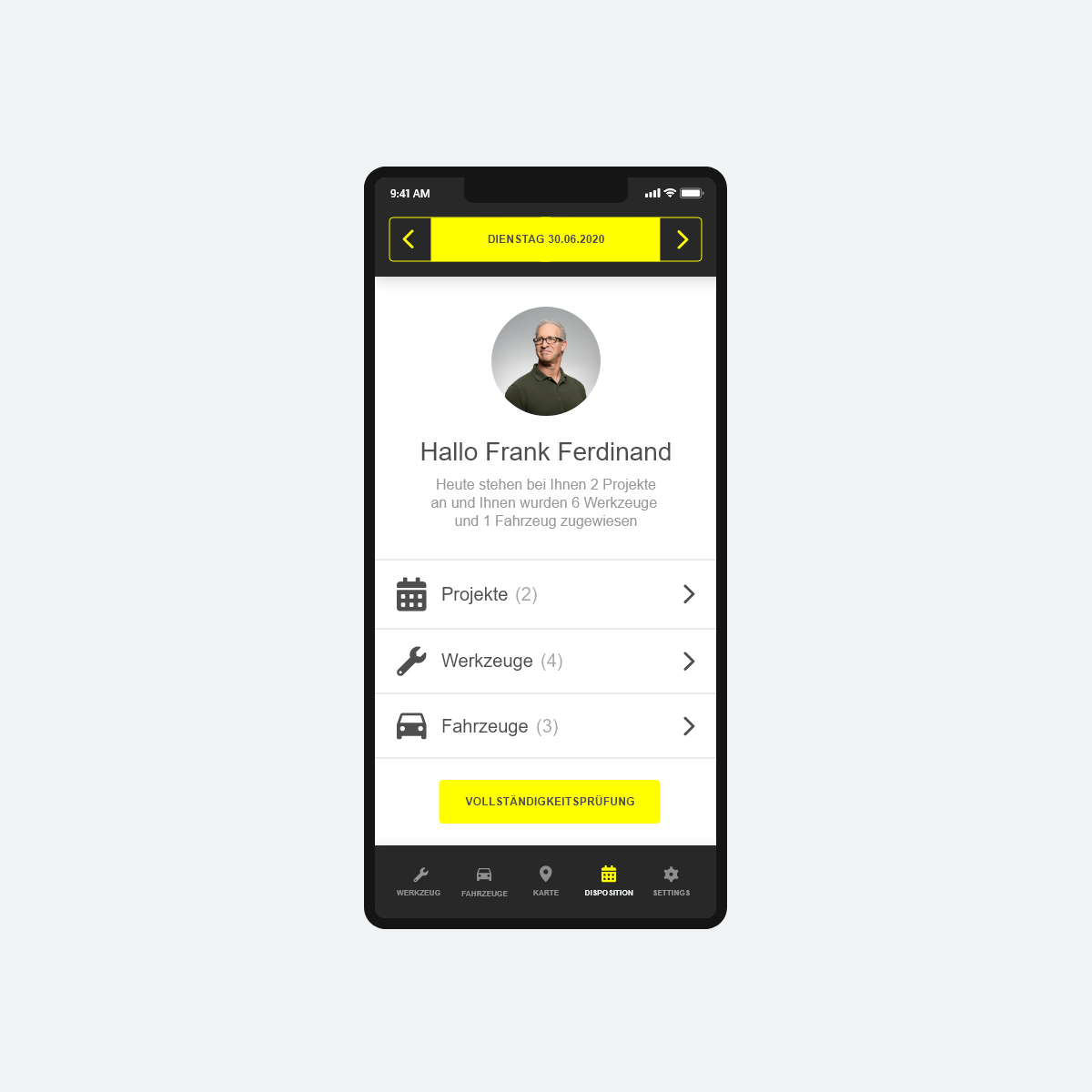
The Viega Tool Management App is a centralized digital platform designed to manage tools, assets, and operational workflows within one system. It enables teams to track equipment, monitor real-time status, and efficiently assign resources across projects and personnel.

We designed the application from the ground up, and transformed complex operational requirements into a structured, scalable, and user-friendly system.

<subject>[interface] image of software interface (for a edtech)</subject>

The Problem

Viega had no unified system to manage tools, assets, and operational workflows. Information was fragmented across different sources, making it difficult to maintain a clear and reliable overview.

There was no access to real-time status data, which limited transparency and slowed down decision-making. Resource assignment and tracking were largely manual and inefficient, leading to unnecessary complexity in daily operations.

Additionally, without a structured digital interface, there was no intuitive hierarchy to guide users through the system. The challenge was not just to design an interface, but to define a coherent system that could simplify complexity and support real-world workflows.

The Solution

The solution was to design and build a modular, scalable platform that centralizes all tools, assets, and workflows into one intuitive system.

A clear information structure and hierarchy were established to transform fragmented data into actionable insights. Real-time status visibility allows users to instantly understand the condition and availability of tools, while streamlined workflows improve efficiency in assigning and managing resources.

The platform was designed with scalability in mind, ensuring it can grow alongside business requirements. At the same time, the interface translates complex operational logic into a clean, modern user experience aligned with the brand.

<subject>[interface] image of software interface (for a edtech)</subject>

Defining Requirments & Research

The process started with a deep understanding of the operational environment and challenges. The focus was on identifying how tools, assets, and users interact in real-world scenarios, and where inefficiencies and friction occur. This phase revealed the need for a centralized system that not only stores data, but actively supports decision-making and daily workflows.

Based on these insights, the scope of the product was defined and refined. Key user groups and their needs were identified, allowing for a clear prioritization of features and functionalities. The complexity of the system required careful reduction, focusing on what is essential while maintaining flexibility. Requirements were defined to ensure the system remains scalable, intuitive, and aligned with operational needs.

<subject>[interface] image of software interface (for a edtech)</subject>

Digital Design System & UX/UI Design

The system was translated into concrete user experiences. User flows were created to reflect real workflows, ensuring that tasks can be completed efficiently and logically. Wireframes and information structures were developed to establish clarity and hierarchy before moving into visual design. Different solutions were explored and refined to reduce cognitive load and improve usability.

The final phase focused on delivering a cohesive and scalable product. A key part of this was the creation of a digital design system. Since Viega only had a print-focused brand guideline, a dedicated digital style guide was developed. This ensured consistency across the interface and established a foundation for future product development. The result is a system that is not only functional, but also structured, consistent, and ready to scale.

<subject>[interface] image of software interface (for a edtech)</subject>

The Result

The final product is a clear, structured, and scalable tool management platform that simplifies complex operational processes.

Users can now access a centralized overview of all tools and assets, monitor real-time status, and manage assignments efficiently. The interface transforms what would typically feel like a database into an intuitive system that supports decision-making and daily workflows.

The combination of clear information architecture, modern UI, and scalable system design creates a strong foundation for long-term use and expansion.

<subject>[interface] image of software interface (for a edtech)</subject>

Effect on Viega

For Viega, the project resulted in more than just a digital tool — it established a structured system for managing operational complexity.

The platform improves transparency across tools, assets, and teams, enabling faster and more informed decisions. Workflows are more efficient, responsibilities are clearer, and the overall system is easier to use and scale.

Additionally, the introduction of a digital design system provides a long-term foundation for future digital products, ensuring consistency and efficiency in further development.

image of team brainstorming session (for a graphic design studio)

Related projects